

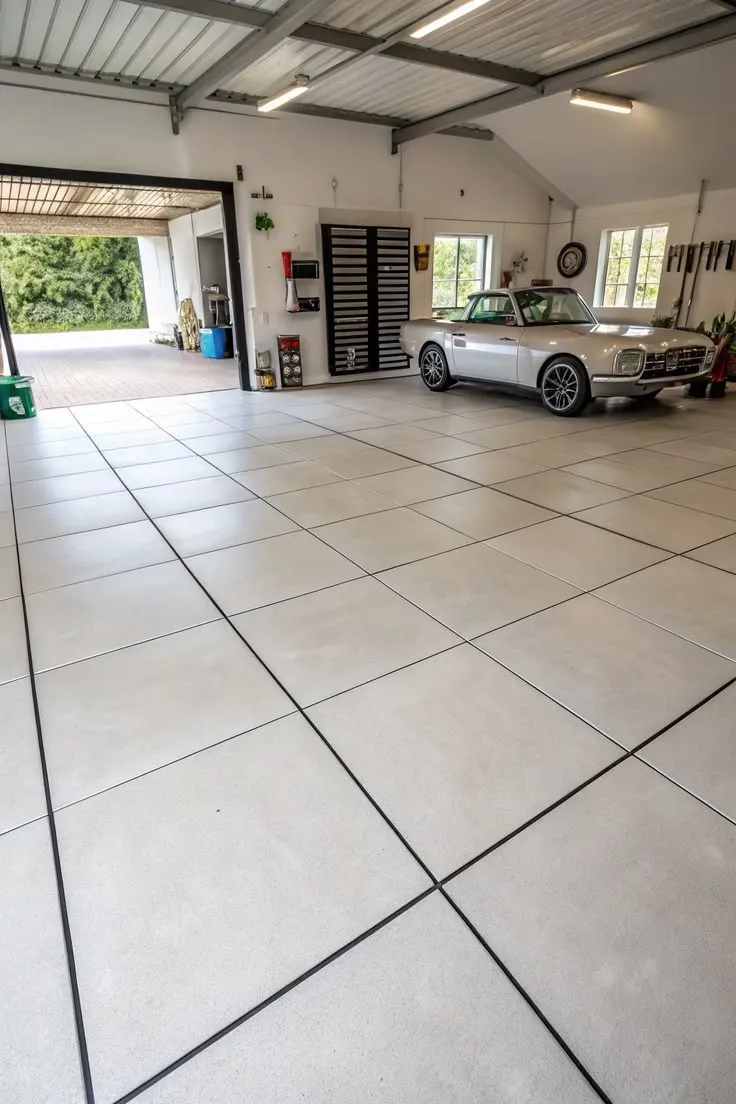
A garage used for hobbies needs a surface that works as hard as its owner does. One weekend it may hold a bicycle repair stand; the next, a woodworking table or a classic car. Homeowners researching garage floor tile options often discover that modular tiles and permanently bonded resin finishes solve different problems. Understanding how each behaves around moisture, tools, storage and cleaning is more useful than comparing glossy photographs. The right decision begins with the concrete beneath the finish and the activities that will happen on top of it.
Start With the Jobs You Actually Do
List the activities that occupy the space most frequently. A detailing enthusiast may value quick spill cleanup, while someone assembling furniture might prioritize comfortable standing areas and easy replacement of damaged sections.
Consider whether the garage must remain available for parking every evening. Permanent benches, movable machines and folding worktables all affect the amount of uninterrupted floor area needed. A finish should support the existing routine rather than force an inconvenient new layout.
Understand How Modular Tiles Work
Interlocking garage tiles sit over a prepared supporting surface rather than bonding to it like a liquid coating. Certain designs have open channels, while others form a more continuous top surface. Their dimensions and connection systems differ by product.
This flexibility may suit a space where a damaged tile needs replacing or a layout may change. It does not mean every tile is appropriate for heavy equipment or every chemical. Ask about load ratings, rolling wheels, cleaning and the manufacturer’s installation requirements.
Know What a Coated Floor Involves
An epoxy garage floor uses a different approach. Installers generally prepare concrete mechanically, repair suitable defects and apply compatible coating layers. Decorative flakes and protective topcoats can provide a more continuous finished appearance.
A bonded system cannot simply be lifted and rearranged like modular tiles. Its longevity depends on concrete condition, product specification and preparation quality. A coating is not a repair for active structural movement or persistent water intrusion, so those concerns should be investigated first.
Think About Moisture and Ontario Winters
Vehicles carry snow, slush and road grit into garages around Toronto. With modular tiles, water and debris may collect beneath certain designs, making the method of accessing and cleaning the underlying slab important.
With resin finishes, standing moisture and tracked-in grit still require routine attention. Neither choice eliminates drainage problems. Ask how the selected product handles winter conditions and whether entrances need mats or other measures to manage slippery areas.
Compare Equipment and Surface Loads
A stationary vehicle and a small wheeled tool cabinet create different pressures. Narrow wheels, turning movements and dropped tools can be demanding for some floor systems.
Before deciding, check these practical details:
-
Whether the floor supports the weight and wheel type of your equipment.
-
How easy damaged sections are to repair or replace.
-
Whether oil and cleaning products are compatible.
-
What happens when water reaches the surface.
-
How the finish performs around entrances and thresholds.
Technical specifications matter more than labels such as industrial strength. If the garage contains a lift, its slab and anchoring must be assessed separately.
Plan for Changes Before Installation
Modular floors can offer layout flexibility, but cutting tiles around columns, cabinets and doorways takes planning. A professional installer should establish neat edges and a secure arrangement that meets the product instructions.
Coating projects require a different schedule. Furniture and vehicles must usually leave the space while preparation, application and curing take place. Confirm the dates when pedestrian traffic, shelving and vehicles can safely return rather than treating surface dryness as full cure.
Make Everyday Maintenance Realistic
A good floor is one the household can maintain. Ask how to remove fine sawdust, road grit, spilled drinks or automotive fluids without damaging the finish. Tile designs may need periodic inspection beneath removable sections; coated floors require compatible cleaners and attention to scratching.
Keep a record of product names and care instructions. That makes future repairs easier and prevents a well-intentioned cleaner from using unsuitable solvents or equipment.
Conclusion
Garage floor choices should reflect the work performed in the space, not just a preferred appearance. Modular tiles offer one approach to flexibility, while properly specified bonded coatings offer another. The best outcome starts with concrete assessment, realistic equipment loads and a cleaning plan that fits Ontario’s seasons. Homeowners exploring installation options throughout the Greater Toronto Area can review products and services through garagestoragetoronto.ca. Comparing these systems thoughtfully can produce a workshop that remains practical as tools, vehicles and hobbies change.