

Table of Contents
Many older homes, particularly those built before the 1980s, may contain asbestos in their construction materials. This mineral was widely used for its beneficial properties, such as heat resistance and durability. However, its widespread application means that many homeowners might unknowingly live with this hazardous substance. Understanding when and where asbestos was commonly used is the first step in recognizing potential risks.
When Asbestos Was Common in Construction
Asbestos was a popular additive in building materials for decades, primarily from the 1930s through the 1970s. Its inclusion was driven by its ability to strengthen materials and provide insulation. It’s estimated that millions of tons of asbestos were incorporated into construction products during this period. While regulations began to limit its use in the late 1970s and early 1980s, some materials containing asbestos might have been used in homes even later.
Materials Likely to Contain Asbestos
Asbestos can be found in a surprising variety of building components. Its presence wasn’t limited to just one or two types of materials. Some common examples include:
- Insulation for pipes, boilers, and furnaces
- Ceiling tiles and textured paints (like popcorn ceilings)
- Roofing shingles and felt
- Siding materials
- Vinyl floor tiles and the adhesive used to install them
- Drywall, joint compounds, and plaster
- Cement sheets and roofing materials
The Dangers of Disturbed Asbestos Fibers
Asbestos itself is not dangerous when it is intact and undisturbed. The risk arises when materials containing asbestos are damaged, broken, or disturbed. This action releases microscopic asbestos fibers into the air. Inhaling these fibers is what poses a significant health risk. Once airborne, these fibers can be easily inhaled or ingested, leading to serious health conditions over time. It is important to avoid disturbing any suspect materials, as there is no safe level of asbestos exposure [c246].

The Link Between Asbestos Exposure and Lung Cancer
How Asbestos Fibers Cause Lung Cancer
When asbestos fibers are inhaled, they can settle deep within the lungs. These tiny fibers can irritate lung cells over time, leading to damage and inflammation. This chronic irritation can cause changes in the cells’ DNA, which is how cancer can start. The body tries to fight this by creating scar tissue, a process known as fibrosis, but this doesn’t always prevent the development of disease. It’s important to understand that not everyone exposed to asbestos will develop lung cancer. However, the risk increases significantly with the amount and duration of exposure. In fact, asbestos exposure is a leading cause of work-related lung cancer globally, accounting for a substantial percentage of cases [b3fa].
The Latency Period for Asbestos-Related Lung Cancer
One of the most concerning aspects of asbestos-related lung cancer is the long time it takes for symptoms to appear after exposure. This period, known as the latency period, can often span 15 to 35 years, and sometimes even longer. This means that someone might have been exposed to asbestos decades ago, perhaps during a renovation project or through past employment, and only now are they showing signs of the disease. The tumors typically develop in the upper parts of the lungs, possibly due to how air flows and fibers settle. This long delay makes it challenging to connect current health issues with past exposures.
Increased Risk for Smokers Exposed to Asbestos
The combination of smoking and asbestos exposure creates a particularly dangerous situation. While asbestos alone increases the risk of lung cancer, smoking significantly multiplies that risk. For individuals who both smoke and have been exposed to asbestos, the chance of developing lung cancer can be five times greater than for smokers who were not exposed. This synergistic effect means that the combined impact is far more severe than the sum of the individual risks. Therefore, smokers who may have had past asbestos exposure should be especially vigilant about their lung health and consider regular check-ups. While asbestos exposure also increases the risk for other cancers like mesothelioma, the amplified risk for lung cancer when combined with smoking is a critical point to remember [52b8].
Identifying Potential Asbestos in Your Home
Visual Clues and Common Household Materials
Spotting asbestos in older homes isn’t always straightforward because the fibers themselves are microscopic. However, certain visual cues can raise suspicion. The age of your home is a significant factor; houses built before the 1980s are more likely to contain asbestos-containing materials. Look for materials that were common during that era, such as:
- Popcorn ceilings: These textured finishes, often painted over, were popular for decades and frequently included asbestos.
- Vinyl flooring and tiles: Both sheet vinyl and individual tiles, along with their backing, could contain asbestos.
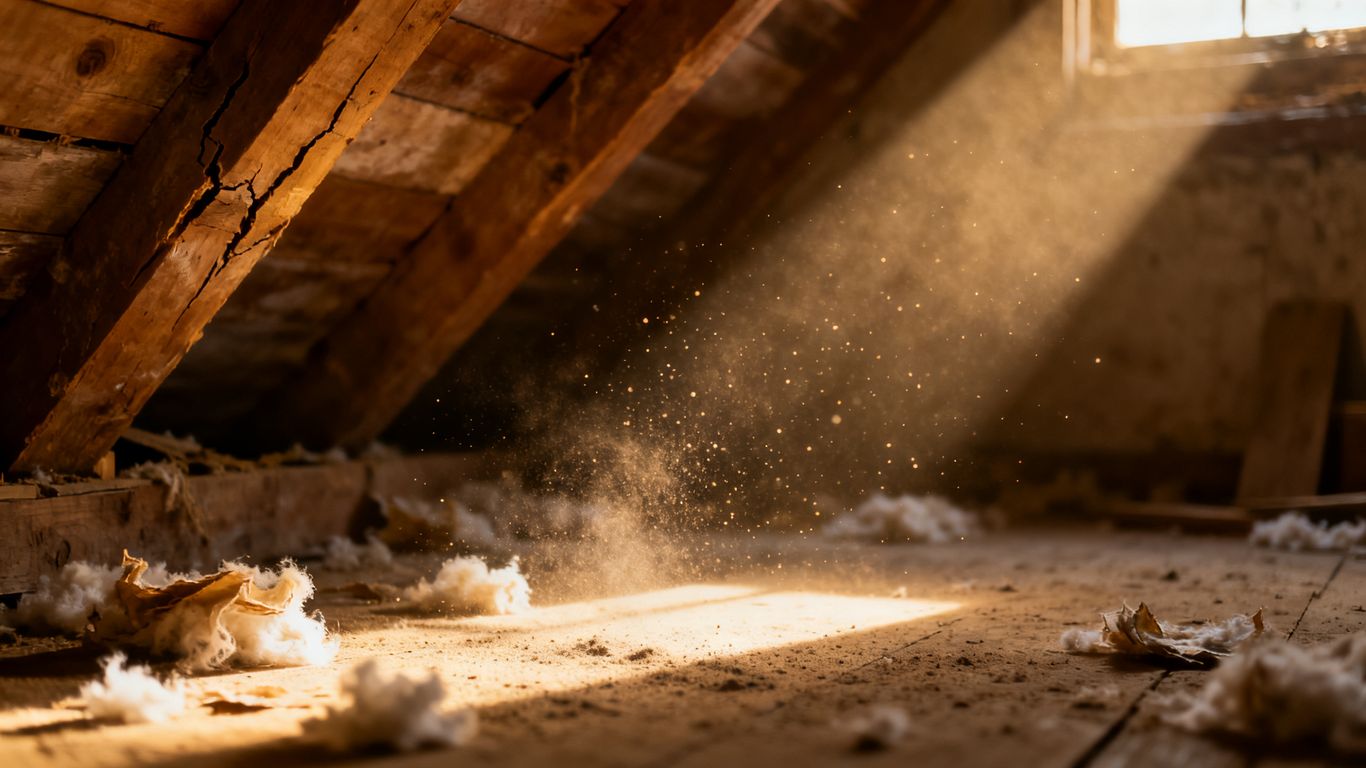
- Insulation: Older insulation, especially around pipes, boilers, and in attics, might be made with asbestos.
- Roofing and siding materials: Cement-based roofing and siding shingles often incorporated asbestos for durability.
Sometimes, you might notice a slight dimpling on the surface of materials like shingles or pipe insulation, which can be another indicator. If you find leftover building materials, check the packaging for labels that might identify asbestos content, though this is not always present. When in doubt, it’s best to assume a material contains asbestos until proven otherwise.
Areas Where Asbestos Is Often Found
Asbestos was incorporated into a wide range of building products for its insulating and fire-resistant properties. This means it can appear in many different parts of an older home. Common locations include:
- Attics and Basements: Vermiculite insulation, boiler insulation, and pipe wrap are frequent culprits.
- Walls and Ceilings: Textured paints, joint compounds, drywall, and ceiling tiles are areas to inspect.
- Flooring: Vinyl tiles and sheet flooring, along with their adhesives, are common sources.
- Exterior: Cement roofing shingles, siding, and exterior caulking can contain asbestos.
- Around Heat Sources: Materials used around furnaces, boilers, wood stoves, and in ductwork often contained asbestos.
Even seemingly minor components like old gaskets on furnaces or window putty could be asbestos-containing. If you are planning any renovations, it’s particularly important to be aware of these potential locations. Identifying these materials is the first step, but it’s not a substitute for professional assessment. Older homes often have these materials hidden in plain sight.
Why Professional Testing Is Essential
While visual inspection and knowledge of common materials can help identify potential asbestos hazards, they are not definitive. The only way to confirm the presence of asbestos is through laboratory testing. Homeowners should never attempt to collect samples themselves, as this can release dangerous fibers into the air, creating a significant health risk. A trained and accredited asbestos professional has the knowledge and equipment to safely take samples and send them for analysis. They can accurately determine if asbestos is present, identify the type, and assess its condition. This professional assessment is vital for making informed decisions about remediation and protecting the health of everyone in the household. Without proper testing, you might unknowingly disturb hazardous materials during DIY projects or renovations, leading to potential exposure. If you suspect asbestos, it is always best to consult with asbestos abatement professionals for a thorough inspection and guidance.
Risks During Home Renovations and Repairs
When you’re planning to update your home, especially if it was built before the 1980s, you might run into asbestos. Many common building materials from that era contained asbestos because it was thought to add strength and insulation. Unfortunately, when these materials are disturbed, they can release tiny fibers into the air, which are dangerous to breathe. This is why understanding the risks before you start any project is so important.
Common Renovation Activities That Disturb Asbestos
Several typical home improvement tasks can accidentally stir up asbestos fibers if the materials contain them. It’s not just about obvious things like tearing down old walls; even smaller jobs can pose a risk.
- Scraping or sanding old paint or textured coatings: Many older paints and ceiling textures, like popcorn ceilings, contained asbestos. Scraping or sanding them can release fibers.
- Removing old flooring: Vinyl floor tiles and the adhesive used to stick them down often contained asbestos. Trying to pry up old tiles or scrape off old glue can be hazardous.
- Drilling or cutting into walls or ceilings: If you’re hanging a picture, installing a light fixture, or making any kind of hole in older drywall, plaster, or ceiling tiles, you could be drilling into asbestos-containing material.
- Replacing insulation: Older insulation, particularly vermiculite, may be contaminated with asbestos. Disturbing it during replacement can release fibers.
- Working on old pipes: Insulation wrapped around old pipes, especially those carrying hot water, frequently contained asbestos.
Risks Associated with DIY Projects
Doing renovations yourself can save money, but when asbestos is involved, it can turn into a costly mistake for your health. Without proper training and equipment, DIYers often don’t realize they’re releasing fibers. Regular vacuums can’t capture these tiny particles, and sweeping can just spread them around. This means that even if you don’t see dust, you could be breathing in dangerous fibers. It’s best to leave any work involving suspected asbestos materials to trained professionals who know how to handle them safely. For more information on asbestos dangers, you can look into resources about asbestos exposure risks.
The Importance of Pre-Demolition Inspections
Before any major demolition or renovation work begins, it’s highly recommended to have a professional inspection. This inspection should specifically look for asbestos-containing materials. If asbestos is found, a plan for safe removal or containment needs to be put in place. This step is not just a suggestion; it’s a critical part of protecting both the workers and the future occupants of the home from long-term health problems like lung cancer. Ignoring this step can lead to serious consequences, as there is no safe level of asbestos exposure. A thorough inspection can help identify potential hazards before they become airborne and cause harm, preventing issues that could lead to serious health conditions.
Protecting Yourself and Your Family
When dealing with potential asbestos in older homes, taking proactive steps is key to safeguarding your household’s health. It’s important to remember that asbestos fibers are most dangerous when they become airborne and are inhaled. Therefore, the primary goal is to prevent disturbance of these materials.
When to Hire Asbestos Abatement Professionals
Homeowners should never attempt to remove asbestos-containing materials themselves. This is a job for trained and certified professionals. If you suspect asbestos is present, or if materials are damaged, it is time to call in the experts. They have the specialized equipment and knowledge to handle asbestos safely.
- Always hire licensed asbestos abatement professionals for testing, removal, or encapsulation.
- Do not disturb materials that appear to be in good condition, but plan for professional assessment if renovations are considered.
- If materials are visibly damaged (e.g., crumbling, water-stained), contact professionals immediately.
Safe Handling and Disposal Regulations
Asbestos is a regulated substance, and its handling and disposal are subject to strict rules to prevent environmental contamination and public health risks. Professionals are aware of these regulations, which often include specific requirements for packaging, transporting, and disposing of asbestos waste. Understanding these rules is vital for compliance and safety, especially if you are undertaking a project that might disturb asbestos. Adhering to these regulations helps protect not only your household but also your neighbors and the wider community. Proper disposal is a critical step in preventing further exposure, and it’s important to ensure all tools and equipment used are thoroughly cleaned to prevent cross-contamination.
Minimizing Exposure During Homeownership
Throughout your time as a homeowner, several practices can help minimize potential asbestos exposure. The most important rule is to avoid disturbing any suspect materials. This means refraining from sanding, sawing, drilling, or scraping anything that might contain asbestos. If you are planning any home improvements, especially those involving demolition or structural changes, it is imperative to have a pre-demolition inspection. This inspection will identify any asbestos-containing materials and allow for their safe management before work begins. Familiarizing yourself with federal and state regulations concerning asbestos is also a good practice, as these laws outline requirements for building owners and management [d8c3].
- Do not attempt to clean up suspected asbestos debris with a regular vacuum or broom.
- Avoid any activity that could break apart or damage materials like insulation, tiles, or siding.
- Educate all household members about the risks and safe practices related to asbestos.
Health Monitoring After Potential Exposure
If you suspect you’ve been exposed to asbestos, it’s wise to take proactive steps regarding your health. While immediate symptoms are rare, long-term monitoring is important because asbestos-related diseases often take many years to develop. Consulting with a medical professional is the first and most important step after a potential exposure event.
Consulting a Doctor About Exposure Concerns
When you speak with your doctor, be sure to provide as much detail as possible about the suspected exposure. This includes:
- The approximate date(s) of exposure.
- The duration of the exposure.
- The location where the exposure occurred.
- Any specific materials you believe contained asbestos.
- Whether the materials were disturbed (e.g., during renovation or demolition).
Your doctor can then assess your individual risk and recommend an appropriate monitoring plan. They may also refer you to a specialist if needed. It’s important to remember that not everyone exposed to asbestos will develop a related illness, but regular check-ups can help catch any issues early. For those concerned about asbestos-related lung cancer, symptoms like a persistent cough or changes in breathing can be indicators [ad32].
Monitoring for Asbestos-Related Diseases
Ongoing monitoring typically involves regular medical check-ups. These might include:
- Physical examinations: A general assessment of your health.
- Pulmonary function tests (PFTs): These tests measure how well your lungs work.
- Chest X-rays or CT scans: Imaging tests to look for any abnormalities in the lungs.
Your doctor will determine the frequency of these tests based on your exposure history and overall health. Conditions like asbestosis, characterized by shortness of breath and a dry cough [fcba], can develop over time. Early detection of any lung changes is key.
The Role of Early Detection in Treatment
Catching asbestos-related diseases in their early stages can significantly improve treatment outcomes. If lung cancer is detected early, treatment options may be more effective. Similarly, managing conditions like asbestosis can help slow their progression and improve quality of life. Don’t hesitate to discuss any health concerns with your doctor, especially if you have a history of potential asbestos exposure. Regular medical evaluations are a sensible measure for anyone who has had significant contact with asbestos-containing materials.