

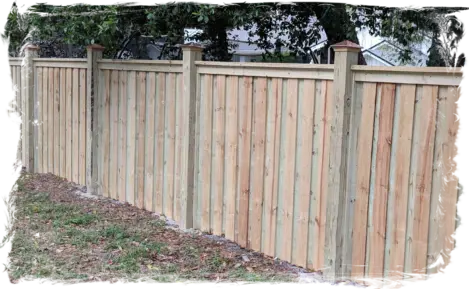
Installing a fence may seem like a straightforward home improvement project, but it comes with more red tape than many homeowners expect. Whether you’re adding privacy, marking boundaries, or enhancing curb appeal, understanding local fence installation regulations is crucial. Neglecting these guidelines can lead to costly fines, disputes with neighbors, or even forced removal of your newly erected fence.
In this article, we’ll walk you through the essential regulations and best practices you need to know before beginning your fence installation.
- Check Local Zoning Laws and HOA Rules
Before you purchase a single post, the first step in any fence installation project is to check your local zoning laws. Cities and counties often have specific rules about fence height, style, and placement. For example, front yard fences might be restricted to 3 or 4 feet in height, while backyard fences may go up to 6 or 8 feet.
If you live in a community governed by a homeowners association (HOA), you’ll likely face additional restrictions. HOAs often require approval for the type of material, color, and height you choose. Failing to get this approval beforehand could result in legal action or mandatory removal.

- Get a Permit
Many municipalities require a permit for fence installation. This applies particularly to taller fences, fences near public sidewalks, or those with special features like electric wiring. Contact your local building department to determine whether a permit is needed and what documentation you’ll need to provide, such as a property survey or site plan.
Keep in mind that applying for a permit typically includes a small fee and may take a few days to several weeks for approval.
- Know Your Property Lines
Installing a fence even a few inches onto your neighbor’s property can lead to serious legal issues. It’s essential to have a current and accurate survey of your property lines. If you’re unsure of your boundaries, consider hiring a licensed surveyor before beginning the fence installation.
This step not only prevents legal trouble but also preserves good relationships with your neighbors.
- Understand Height and Setback Requirements
Fence height is one of the most commonly regulated aspects of fence installation. Most areas limit front yard fences to a shorter height to preserve visibility for drivers and pedestrians. Backyard fences generally allow for more height, especially if they’re being used for privacy or to contain pets.
Setbacks — the minimum distance a structure must be from property lines, roads, or sidewalks — are also often enforced. Some jurisdictions require fences to be placed several inches or feet inside your property line to avoid obstructing utilities or public access.
- Consider Easements and Utility Lines
Many properties include easements — sections of land where utility companies have the right to access for maintenance or repairs. Installing a fence on an easement could result in it being torn down if access is needed.
Additionally, it’s important to call your local “Call Before You Dig” service to mark underground utility lines before starting your fence installation. Striking a gas, water, or electric line can cause serious damage and delays, not to mention safety hazards.
- Choose Approved Materials and Designs
Some cities and HOAs dictate the type of fencing material that can be used. For example, chain-link fences may be banned in front yards, or wooden fences may need to be painted in neutral tones.
Even in areas without aesthetic guidelines, consider how your fence design fits with the surrounding homes. A well-planned fence installation not only meets legal standards but also complements the neighborhood’s character.
- Think About Drainage and Maintenance
Poorly placed fences can disrupt water drainage, leading to flooding or erosion. Be mindful of the terrain and how water flows on your property. In many cases, grading or installing gaps at the bottom of the fence can help maintain proper drainage.
In addition, some areas require that the finished side of the fence — the side with the smooth panels — face outward toward neighbors or the street. This rule is about aesthetics and maintaining a pleasant neighborhood appearance.
Final Thoughts
Fence installation is more than just hammering posts into the ground. From permits and property lines to design rules and utility clearances, it’s a project that demands careful planning and compliance with local regulations.
Before starting, take the time to research local codes, consult with your HOA, and secure the necessary permits. Doing so not only protects you legally but also ensures your investment adds lasting value to your home.