

Table of Contents
The most common mistakes people make with vintage rugs include choosing the wrong size, ignoring durability needs, clashing styles, skipping maintenance, and not researching the rug’s origin. Each mistake is easy to fix once you know what to look for.
Vintage rugs can completely change the feel of a room. A good one pulls furniture together, adds warmth, and gives a space personality that new rugs rarely match. But a bad placement—or the wrong rug altogether—can make even a well-designed room feel off.
The good news? Most vintage rug mistakes are avoidable. Here’s what to watch out for, and how to get it right.
Mistake 1: Ignoring Scale and Proportion
This is the most common mistake, and it’s easy to spot. A small rug floating in the middle of a large living room looks like an afterthought. On the flip side, a rug that’s too big for a space feels overwhelming.
How to fix it: Always measure your room before you shop. As a general rule, leave 12–18 inches of bare floor between the rug’s edge and the walls. In a seating area, all furniture legs should ideally sit on the rug—or at least the front legs. If you’re unsure, lay out painter’s tape on the floor to mark the rug’s dimensions before buying.
Mistake 2: Overlooking Room Traffic and Durability
Vintage rugs are beautiful, but not all of them are built for high-traffic zones. Placing a delicate, hand-knotted silk rug in a hallway or under a dining table is a fast way to damage it.
How to fix it: Match the rug’s construction to the room’s function. Wool rugs handle foot traffic and daily wear far better than silk. Save silk or fine-weave vintage pieces for low-traffic areas like a bedroom or a reading nook. Always ask about the rug’s fiber content and construction before purchasing—especially when you buy rugs online in India, where descriptions can vary widely between sellers.
Mistake 3: Clashing Styles and Colors
Vintage rugs carry bold patterns, rich dyes, and aged tones. When placed next to the wrong furniture or wall colors, even a stunning rug can look chaotic.
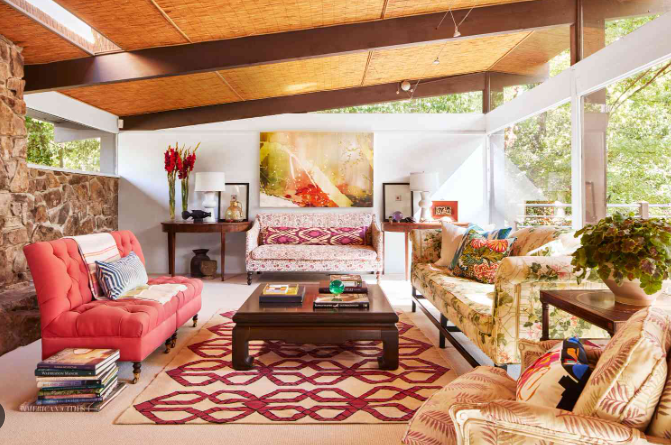
How to fix it: You don’t need to match—you need to coordinate. Pull one or two colors from the rug and repeat them subtly in your cushions, curtains, or art. If your rug has a busy pattern, keep surrounding furniture simple and neutral. A vintage rug works best as the focal point, not one of several competing elements. When in doubt, lean into contrast: a worn, patterned vintage rug against a clean, modern sofa often looks intentional and well-styled.
Mistake 4: Skipping Proper Rug Care
Vintage rugs are investments. Ignoring maintenance shortens their life significantly. Dirt, moisture, and the wrong cleaning products can fade colors, weaken fibers, and cause irreversible damage.
How to fix it: Vacuum regularly, but avoid running the vacuum over the fringe. Rotate the rug every six months to ensure even wear. For deep cleaning, take it to a professional rug cleaner who has experience with antique and handmade pieces—not a standard carpet cleaning service. Also, use a quality rug pad underneath. It prevents slipping, reduces wear on the fibers, and protects your floor.
Mistake 5: Not Considering the Rug’s Story and Origin
Many buyers treat vintage rugs like any other home accessory. They focus only on color or price, and completely miss the craftsmanship behind the piece. This matters more than most people realize—both for quality and for authenticity.
How to fix it: Before you buy, ask where the rug was made and how. Handcrafted Rugs in India, for example, come from specific weaving traditions that vary by region. Bhadohi, in Uttar Pradesh, is one of South Asia’s largest hand-knotted carpet weaving hubs and produces rugs that are known globally for their quality and craftsmanship. A rug made there carries decades—sometimes centuries—of inherited technique.
Understanding a rug’s origin also helps you assess its quality and longevity. A genuine hand-knotted piece will outlast a machine-made imitation by decades, and it will age in a way that actually adds to its character rather than diminishing it.
When you buy rugs online in India, look for brands that are transparent about their sourcing and production. The Ambiente, for instance, sources its Vintage Rugs directly from artisans in Bhadohi and works with over 4,000 women weavers—making it possible to trace exactly where a rug comes from and who made it.
Master Vintage Rug Decor with The Ambiente
Getting vintage rug decor right comes down to being intentional. Know your room’s dimensions. Think about how the space gets used. Coordinate, don’t match. Keep up with maintenance. And choose rugs from makers who are honest about their craft.
The Ambiente’s collection of Vintage Rugs blends traditional Indian weaving techniques with modern design sensibility. Founded by Avani Khandelwal and backed by 30+ years of manufacturing expertise through parent company Bhadohi Carpets, The Ambiente has served over 5,000 clients across India and abroad. Every rug in the collection is handcrafted, ethically sourced, and made to last.
Whether you’re styling a living room from scratch or looking to add depth to an existing space, their team can help you find the right fit. Browse their collection and buy rugs online in India at The Ambiente’s website—or visit their flagship store at Pillar No. 11B, Mehrauli-Gurgaon Road, New Delhi.
Frequently Asked Questions
What size vintage rug should I use in a living room?
For most living rooms, a rug that’s large enough to fit all front furniture legs on it works best. Leave 12–18 inches of floor exposed around the rug’s edges. Before buying, mark out the dimensions on your floor with tape to see how it feels in the actual space.
Are vintage rugs durable enough for high-traffic areas?
It depends on the construction. Wool vintage rugs handle regular foot traffic well. Silk or fine-weave pieces are better suited for low-traffic areas like bedrooms. Always check the fiber content before placing a vintage rug in a hallway, dining room, or entryway.
How do I clean and maintain a vintage rug at home?
Vacuum regularly without running over the fringe. Rotate the rug every six months for even wear. Use a rug pad underneath to protect both the rug and the floor. For deep cleaning, use a professional rug cleaner experienced with handmade or antique pieces.
Why does the origin of a vintage rug matter when buying?
A rug’s origin tells you about its construction quality, materials, and the tradition behind it. Handcrafted Rugs in India—particularly from weaving hubs like Bhadohi—are known for their hand-knotted technique and durability. Knowing where a rug comes from helps you assess its authenticity and long-term value.
Can I buy quality vintage rugs online in India?
Yes, but look for brands that are transparent about sourcing, materials, and craftsmanship. Retailers like The Ambiente offer ready-to-ship Vintage Rugs with detailed product information, making it easier to buy rugs online in India with confidence.