Table of Contents
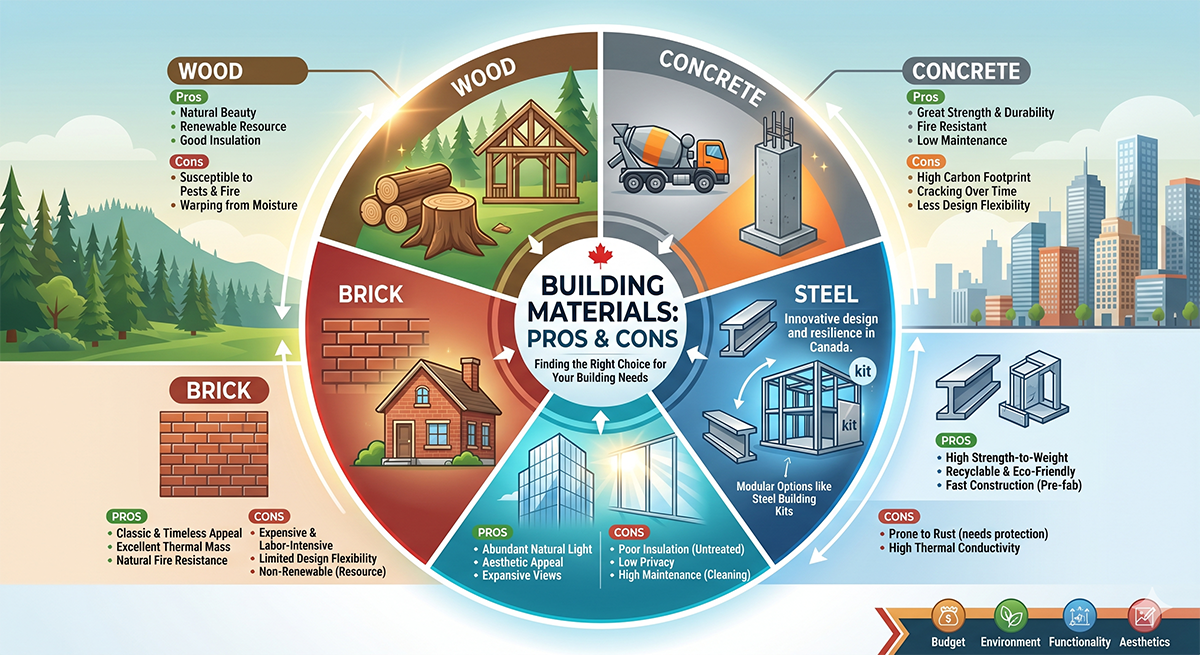
When it comes to construction, the choice of building materials can significantly impact the longevity, functionality, and aesthetic appeal of a structure. In Canada, selecting the right materials is crucial given the diverse climatic conditions across provinces. This article delves into the pros and cons of various building materials, focusing primarily on the benefits of steel buildings, especially in contexts like steel buildings in Ontario.
Wood: A Classic Choice
Wood has been a traditional building material used for centuries. It’s revered for its natural beauty and versatility. Its ease of availability and workability make it a favorite among builders aiming for custom designs.
Pros of Wood:
-
Wood is a renewable resource, which makes it an environmentally friendly choice.
-
It provides excellent insulation value, making buildings energy-efficient.
-
The aesthetic appeal of wood’s natural texture and appearance is unmatched.
Cons of Wood:
-
Wood is vulnerable to pests like termites, which can compromise structural integrity.
-
It is highly susceptible to fire, posing a significant safety risk.
-
Wood can warp, rot, or expand due to moisture if not properly treated.
Concrete: Strength and Durability
Concrete is synonymous with strength and longevity. Known for its robust properties, this building material is ideal for constructing large structures and infrastructures.
Pros of Concrete:
-
Concrete structures are incredibly durable and can withstand extreme weather conditions.
-
It has excellent fire resistance properties.
-
Concrete requires minimal maintenance, reducing long-term costs.
Cons of Concrete:
-
Concrete production is energy-intensive, contributing to environmental concerns.
-
The material can crack over time and may require repairs.
-
It offers less design flexibility compared to other materials like wood.
Steel: Innovation and Resilience
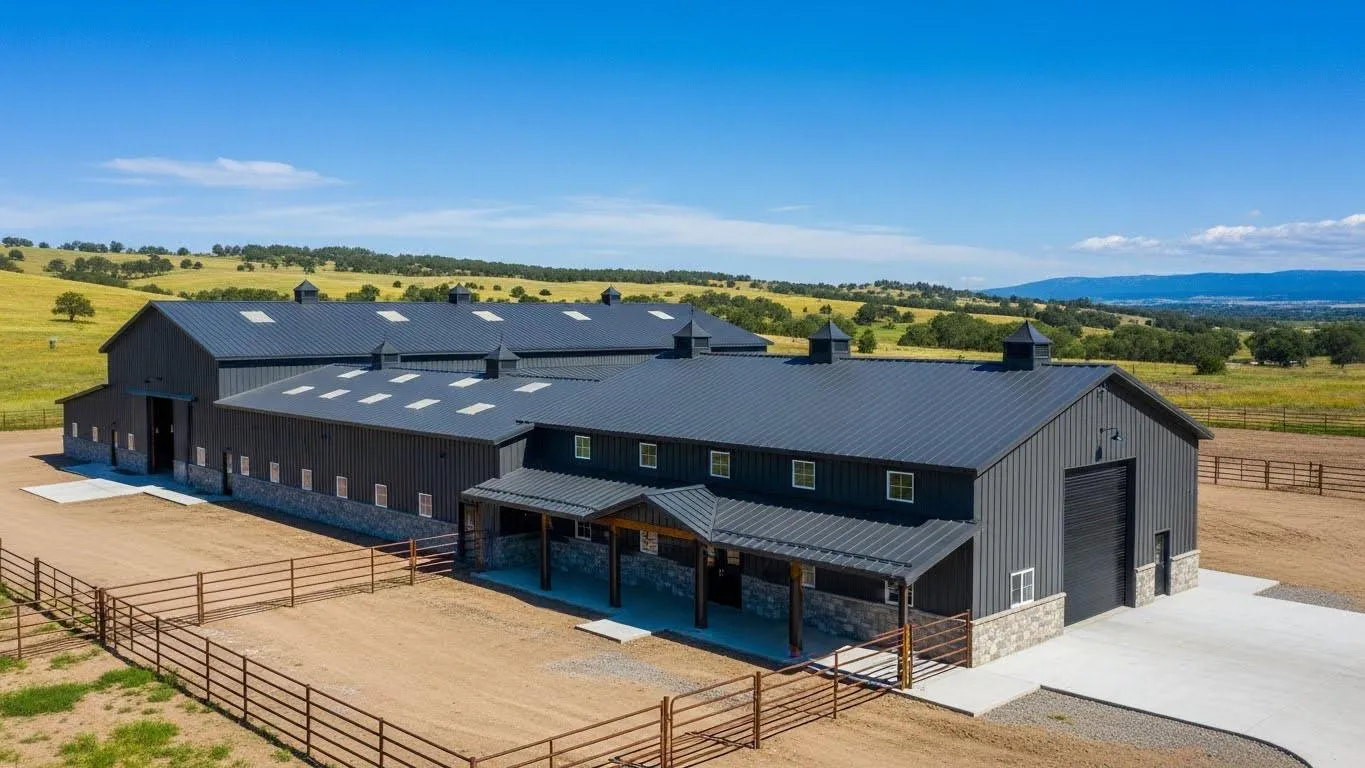
Steel is rapidly becoming the preferred choice for modern construction projects. Its benefits in terms of strength, sustainability, and speed of construction are unmatched. In areas like Ontario, the trend towards steel buildings in Ontario is fueled by both practical and financial incentives.
Pros of Steel:
-
Steel provides superior strength-to-weight ratio, allowing for more innovative architectural designs.
-
It is highly resistant to environmental hazards such as fire, mold, and pests.
-
Steel can be recycled, making it an eco-friendly building material.
-
The construction process is fast due to prefabricated parts, reducing labor costs.
Cons of Steel:
-
Initial costs might be higher compared to other materials.
-
Steel can conduct heat easily, which might affect the internal temperature regulation if not insulated properly.
-
In areas with frequent exposure to moisture, steel might be prone to rust if not adequately protected.
The Rise of Steel Buildings in Canada
In recent years, there has been a notable increase in the adoption of steel for building projects across Canada. This trend is driven by the need for structures that can withstand Canada’s harsh winters, resilience against natural calamities, and the desire for cost-effective construction. The versatility and durability of steel make it incredibly appealing for builders and property owners alike.
Particularly in urban and industrial areas, the preference for steel is evident. The use of 30×40 steel building kit options has thrown open new possibilities in terms of modular construction. These kits provide the flexibility to erect structures quickly and efficiently, making them ideal for both temporary and permanent installations.
Glass: Aesthetic Appeal and Light
Glass is often employed in building designs that aim to maximize natural light and aesthetic appeal. Modern architecture has embraced glass to create stunning, light-filled spaces.
Pros of Glass:
-
Glass can enhance the beauty of a building and offer expansive views and daylighting.
-
It can be treated for energy efficiency, reducing heating and cooling costs.
-
Advanced manufacturing techniques have improved the strength and safety of modern glass.
Cons of Glass:
-
Without treatment, glass provides poor insulation, affecting building energy efficiency.
-
It can be challenging to maintain, needing frequent cleaning and potential replacements.
-
Glass structures can limit privacy unless designed carefully with additional materials like blinds or films.
Brick: Tradition and Stability
Brick remains a popular choice for many builders due to its classic appeal and excellent thermal mass. It’s a time-tested material known for its timeless beauty and durability.
Pros of Brick:
-
Brick offers a natural resistance to fire and does not require additional treatments for fireproofing.
-
It has excellent thermal properties, maintaining internal temperatures effectively.
-
Bricks require little maintenance and offer long-lasting durability.
Cons of Brick:
-
Brick construction can be more expensive and labor-intensive compared to other materials.
-
Limited flexibility in design and can be heavy, adding to the structural load.
-
The production process involves significant energy use, impacting its environmental profile.
Making the Right Choice for Your Building Needs
Ultimately, the choice of building materials depends on a myriad of factors including budget, environmental conditions, aesthetic preferences, and the intended use of the structure. While wood, concrete, glass, and brick each offer unique advantages, steel stands out as a versatile, strong, and sustainable option, particularly in the fast-evolving construction landscape of Canada.
Embracing steel as a primary building material, whether through full-scale projects or modular options like the 30×40 steel building kit, can lead to innovations in architecture and efficiency. As we continue to advance in technology and materials science, the focus on sustainable and efficient building practices will undoubtedly lead to new preferences and developments in construction methodologies.
For anyone looking to invest in durable, eco-friendly, and aesthetically pleasing structures, exploring steel’s vast potentials is a step in the right direction. Whether you’re diving into the world of steel buildings in Ontario or elsewhere in Canada, making informed decisions based on the pros and cons of available materials will ensure that your investment is secure and worthwhile.