

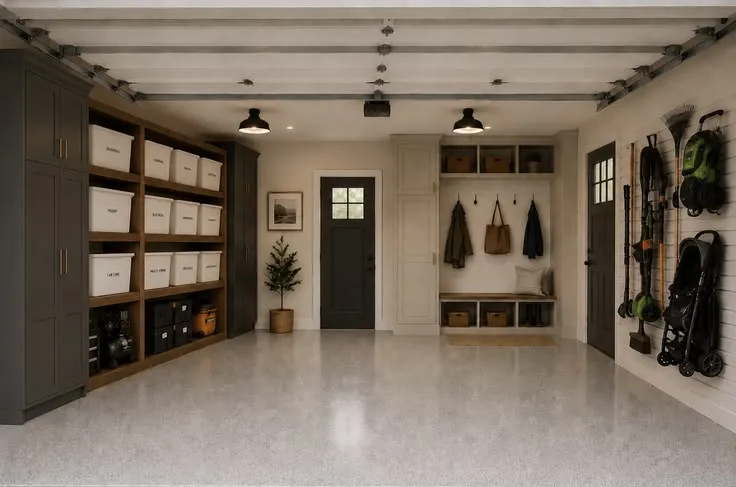
Toronto homeowners face a familiar problem when the seasons change: the garage gradually fills with equipment that belongs to different times of the year. Snow shovels compete with bicycles, gardening supplies disappear behind winter tyres, and parking space becomes increasingly limited. Thoughtful garage storage can address these challenges without requiring an extension or complete renovation. By reconsidering where belongings are placed and how frequently they are used, households can create a practical system that remains manageable throughout the year.
Start With a Seasonal Inventory
Before purchasing cabinets or shelving, homeowners should understand exactly what their garage contains. Removing belongings temporarily makes it easier to identify duplicate tools, broken equipment, and items that no longer serve a purpose. Sort everything into categories such as automotive supplies, sports equipment, gardening tools, and seasonal decorations. Keep frequently used items separate from belongings needed only occasionally.
This initial assessment also reveals how much space must remain available for vehicles. Accurate measurements prevent storage installations from restricting access to doors, electrical panels, or essential equipment.
Give Winter Equipment a Dedicated Location
Canadian winters create particular storage requirements. Snow shovels, ice scrapers, winter tyres, and salt containers need accessible locations when temperatures drop. Wall-mounted holders can accommodate long-handled tools without leaving them leaning against vehicles. Heavy tyre sets require shelving or racks rated for their weight.
Ice-melting products should remain in suitable containers away from moisture-sensitive belongings.
During warmer months, winter equipment can move to less accessible storage areas, freeing convenient locations for bicycles and gardening supplies. This seasonal rotation reduces clutter without discarding useful possessions.
Think Vertically Instead of Expanding Outward
Many garages have usable wall space that remains overlooked. Shelving, cabinets, and slatwall systems can take advantage of this space while keeping the central floor clear. A properly designed storage wall accommodates smaller items on shelves and larger equipment on hooks.
Overhead racks may provide additional capacity for lightweight seasonal belongings, provided they are appropriately secured and remain clear of garage door mechanisms.
Storage height should reflect who will retrieve the items. Frequently used equipment belongs within comfortable reach rather than above head level.
Five Rules for a Functional Layout
A practical arrangement should make everyday activities easier, not simply hide clutter behind closed doors.
-
Protect parking clearance: Allow space for vehicle doors and safe movement.
-
Group related equipment: Keep cycling, gardening, and automotive supplies together.
-
Use labelled containers: Make seasonal belongings easier to locate.
-
Check load ratings: Match shelves and overhead racks to their intended weight.
-
Maintain clear pathways: Avoid blocking entrances, utilities, and emergency access.
These principles create a foundation that can adapt as household needs change over time.
Make Organization an Ongoing Habit
Successful garage organization depends on routines as much as equipment. Even professionally installed cabinets cannot prevent clutter when belongings are returned to random locations. Assign each category a permanent storage area and make frequently used items easy to put away. A brief review at the beginning of spring and autumn can identify supplies that need replacing or relocating.
Families should also establish simple rules for shared equipment. When everyone understands where tools and sporting goods belong, maintaining the layout becomes a collective responsibility.
Consider the Garage Environment
Storage decisions should account for moisture, temperature changes, and the condition of the building. Wet vehicles can introduce road salt and slush during winter. Sensitive materials should be kept above the floor, away from areas where water regularly collects.
Proper ventilation also matters when storing products that require specific handling conditions.
Paint, batteries, chemicals, and other potentially hazardous materials should follow their manufacturers’ storage instructions. Some products are unsuitable for unheated garages.
Addressing environmental conditions protects belongings and helps prevent avoidable maintenance concerns.
Plan for Changing Household Needs
A good storage system should remain useful beyond the current season. Children’s sporting equipment changes as they grow, while hobbies and vehicle requirements may evolve. Adjustable shelving and versatile wall systems offer flexibility without rebuilding the entire arrangement.
Homeowners might also reserve a small section for future tools or recreational equipment. The objective is not to fill every available space immediately. Leaving some capacity makes it easier to accommodate new belongings without allowing clutter to return.
Conclusion
An organized garage supports more than convenient parking. It simplifies seasonal transitions, protects equipment, and makes everyday household activities easier to manage. Thoughtful planning, suitable storage hardware, and regular maintenance can help homeowners make better use of existing space. Residents across Toronto and neighbouring Greater Toronto Area communities can explore customized shelving, cabinets, overhead systems, and professional storage design services through garagestoragetoronto.ca when planning a practical garage transformation.